
Food
Pappedeckel: The Complete Guide to Germany’s Beloved Cardboard Lid and Traditional Cake

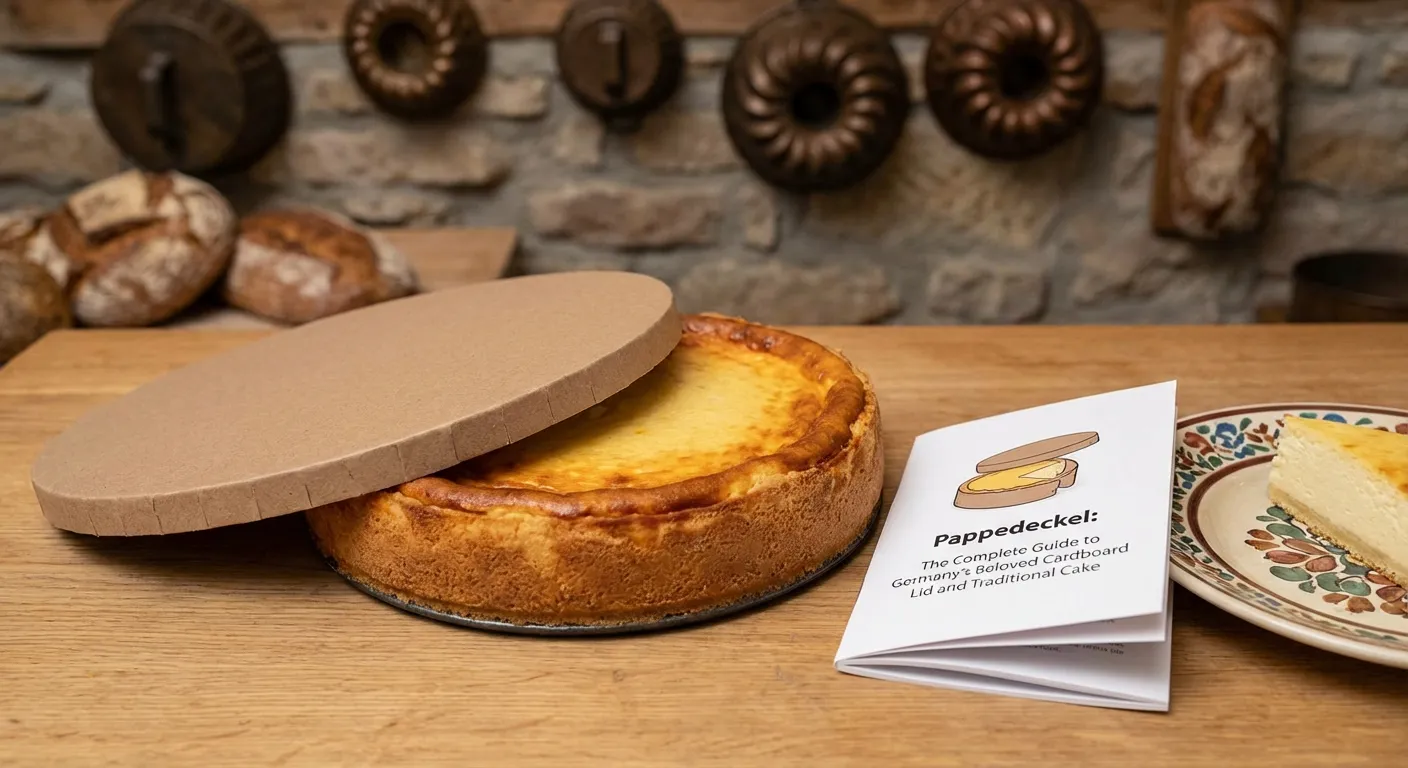
Few words in the German language carry as much quiet cultural weight as Pappedeckel. Literally translating to “cardboard lid” — Pappe meaning cardboard, Deckel meaning lid — the word occupies two distinct but equally fascinating corners of German culinary culture and everyday life. In one context, Pappedeckel refers to the traditional German cake — a regional delicacy of spiced, honey-sweetened, richly flavored baked treat that has graced family gathering tables for generations. In another, it describes the eco-friendly packaging solution that has made cardboard packaging a cornerstone of sustainable food packaging across Germany and beyond.
This is the complete guide to Pappedeckel — both the German food heritage it represents and the sustainable packaging innovation it has come to symbolize.
Read More: Mannacote: The Ultimate Guide to Italian-America’s Most Beloved Stuffed Pasta
Part One: Pappedeckel as Traditional German Cake
What Is Pappedeckel? The Baked Treat and Its Origins
The Pappedeckel cake occupies a cherished place in the landscape of German dessert and regional German baking tradition. Its name — a colloquial, affectionate reference to its dense, satisfying texture — hints at the qualities that have made it a generational recipe staple: firm, substantial, richly flavored, and deeply satisfying in the way only artisanal baking and homemade recipe tradition can produce.
The traditional recipe for Pappedeckel varies meaningfully by region — a reflection of the deeply regional flavors character of German culinary culture. In Bremen bakery tradition, honey-forward versions with walnut almond inclusions dominate. Hamburg café interpretations lean toward a lighter spice profile with lemon zest brightness. Munich market vendors favor richer, molasses-deepened versions that pair beautifully with the season’s ambient spice. Berlin restaurant presentations increasingly reimagine the traditional German cake through the lens of modern German cuisine and culinary innovation.
What unites these variations is a core food heritage commitment to flavor complexity, texture balance, and the kind of culinary craftsmanship that transforms simple pantry ingredients into something greater than their sum.
The Traditional Recipe: Dough Preparation and Ingredients
The foundation of authentic Pappedeckel is a rich, spiced dough built on pantry staples elevated by careful technique and the generous use of German bakery spice traditions.
Core ingredients for the classic Pappedeckel preparation include flour, eggs, and sugar forming the structural base, with honey sweetness providing the primary sweetener that distinguishes the cake’s character from standard confections. Molasses adds depth and a slight bitterness that prevents the rich dough from becoming cloying. The spice profile — cinnamon cloves nutmeg in proportions that vary by secret family recipe tradition — creates the warmth and complexity that makes Pappedeckel unmistakably a product of regional German baking heritage.
Lemon zest brightens the overall flavor profile, cutting through the richness with citrus acidity. Walnut almond inclusions — toasted before incorporation — add nutty flavor and textural contrast to the moist cake texture that careful baking temperature management produces.
Dough Preparation and Baking Process
The dough preparation process begins with bringing honey and molasses to a gentle warmth that loosens their viscosity for easier incorporation. The flour-egg-sugar base receives the warmed sweeteners along with the spice blend — cinnamon cloves nutmeg, cardamom ginger spice, and occasionally exotic spices from traditions that reflect Germany’s historical spice trade connections.
Kneading dough to the right consistency is the technique that separates excellent Pappedeckel from merely adequate versions. The dough should be supple without being sticky, firm enough to hold its shape during the baking process while retaining the internal moisture that produces the characteristic moist cake texture after baking.
Baking temperature management is critical — too high and the exterior darkens before the interior sets; too low and the cake spreads without the structural integrity the finished baked treat requires. The ideal baking process produces a cake with a firm, slightly crisp exterior that gives way to a dense, fragrant interior where the spice complexity has fully bloomed.
Finishing: Chocolate Coating, Icing, and Decoration
The chocolate coating and icing decoration options for Pappedeckel represent the point where artisanal baking craft and aesthetic expression converge. A dark chocolate glaze — applied while the cake is still warm — sets to a glossy finish that amplifies the spice notes within. White chocolate drizzle creates visual drama and sweetness contrast. Honey drizzle over the finished cake adds both visual appeal and a flavor echo of the interior sweetener.
Icing decoration for festive food occasions elevates Pappedeckel into the festive table setting centrepiece it becomes at Christmas markets, family gathering celebrations, and seasonal decoration events. Hand-piped royal icing patterns, candied citrus peel arrangements, and whole toasted nut placements transform the rustic baked treat into an expression of culinary craftsmanship.
Modern Variations: Gluten Free, Fruit, and Gourmet Adaptations
Culinary innovation has expanded the Pappedeckel tradition into territory that honors its food heritage while accommodating contemporary dietary needs and modern German cuisine sensibilities.
Gluten free alternative versions using almond flour and coconut flour produce a cake with slightly different textural properties — denser, more moist — but equivalent spice complexity and arguably superior nutty flavor depth. These gluten free diet adaptations have made Pappedeckel accessible to audiences previously excluded from the traditional German cake experience.
Fruit cake variation preparations fold blueberry apple addition into the spiced dough, creating moisture pockets and fruity brightness that contrast beautifully with the warm spice base. Cardamom ginger spice forward versions represent a more assertive flavor profile suited to gourmet presentation contexts.
Balsamic reduction drizzle, artisanal cheese pairing, and sweet savory pairing approaches reflect the influence of contemporary food presentation on a regional delicacy that was content, for generations, to be simply itself.
Serving Pappedeckel: Pairings and Tradition
The traditional serving ceremony around Pappedeckel is inseparable from the warm beverage pairing culture of German domestic life. Coffee tea pairing — a thick slice of Pappedeckel alongside a strong coffee or spiced tea — is the quintessential expression of the togetherness through food philosophy that underlies German culinary culture.
Butter jam topping at the breakfast table gives Pappedeckel a morning dimension that more delicate pastries cannot match. Honey drizzle for afternoon service, artisanal cheese pairing for the sophisticated charcuterie-adjacent presentation that Berlin restaurant culture has embraced, and balsamic reduction for the gourmet presentation context — the serving versatility of Pappedeckel reflects its fundamental character as a food built for community meal occasions of every register.
Food tourism Germany itineraries that prioritize local delicacy discovery and cultural food experience consistently identify Pappedeckel as among the most rewarding regional discoveries — a fresh baked treat with genuine food storytelling depth that rewards curiosity.
Part Two: Pappedeckel as Eco-Friendly Packaging Lid
The Packaging Meaning: Cardboard Lid Innovation
The second dimension of Pappedeckel — the cardboard lid, the paperboard cover — represents one of the most significant areas of sustainable packaging innovation in contemporary food service and retail. As the global packaging industry confronts the environmental consequences of decades of plastic dependency, the eco-friendly packaging credentials of cardboard packaging solutions like Pappedeckel lids have moved from niche preference to mainstream imperative.
The Pappe meaning cardboard + Deckel meaning lid compound that produces the word captures both the material and the function with characteristic German precision. A Pappedeckel in the packaging sense is a thick paperboard or coated paperboard cover — engineered for food freshness preservation, spill prevention, and the moisture resistant coating performance that food service environments demand.
Materials and Manufacturing: From Paper Pulp to Finished Lid
The paper pulp manufacturing process that produces high-quality Pappedeckel packaging lids begins with recycled fiber or virgin wood pulp — increasingly the former as sustainability goals and consumer eco preference drive material sourcing decisions toward renewable resources and circular economy frameworks.
Heat compression process techniques shape the pulp into the structural form that gives the finished cardboard cover its rigidity and dimensional stability. Grease proof coating and water resistant laminate applications provide the moisture proof packaging and grease resistant performance required for food hygiene packaging applications — ensuring that a takeaway lid or coffee cup lid maintains its integrity through the heat, humidity, and mechanical stress of real food service use.
Soy based ink printing for custom printed lid and branded packaging applications ensures that the eco friendly printing commitment of the material extends to the decoration layer — keeping the full Pappedeckel packaging product within a genuinely sustainable value chain.
Applications: Where Pappedeckel Packaging Performs
The versatility of Pappedeckel as a packaging solution spans an extraordinary range of food service, retail, and industrial applications.
Coffee cup lid and hot drink lid applications represent the highest-volume use case — the takeaway cup cover that sits atop millions of daily coffee orders, providing spill prevention and temperature insulation while decomposing cleanly at end of life rather than persisting in landfill. Cold drink lid variants with modified moisture resistant coating profiles serve the same function for iced beverages.
Pizza box lid, food box cover, salad bowl lid, and soup container cover applications address the broader takeout packaging and fast food packaging market — contexts where food transport safety and food contamination prevention performance are non-negotiable and where the environmental cost of disposable food service packaging has historically been highest.
Cafe packaging, restaurant packaging, and catering packaging applications extend the Pappedeckel lid into full-service dining contexts where packaging aesthetic appeal and product visibility packaging contribute to brand experience. Buffet packaging and event catering supplies applications leverage the stackable lid geometry and flat storage capability that make Pappedeckel packaging operationally efficient for high-volume food service environments.
Beyond food service, gift box cover, cosmetic container lid, retail packaging cover, industrial drum cover, and shipping packaging applications demonstrate the packaging versatility that makes coated paperboard a genuinely cross-sector plastic alternative.
Environmental Credentials: The Sustainability Case
The environmental case for Pappedeckel as a plastic alternative in food packaging is compelling across multiple dimensions of the green packaging framework.
Plastic pollution reduction is the most visible benefit — replacing disposable lid plastic with biodegradable lid cardboard removes a persistent environmental contaminant from the waste stream at meaningful scale. Landfill waste reduction follows from the biodegradable and recyclable packaging properties of properly manufactured Pappedeckel lids. Carbon footprint reduction relative to virgin plastic manufacturing reflects both the lower energy intensity of paper pulp manufacturing and the carbon sequestration credit associated with renewable resources sourcing.
Transportation emissions reduction through lightweight packaging design — Pappedeckel lids weigh significantly less than equivalent-function plastic covers — provides ongoing operational carbon benefits across the supply chain. Packaging cost efficiency advantages over premium plastic alternatives make the sustainability goals case simultaneously an economic one.
Brand sustainability and environmental stewardship communication through custom printed lid and branded packaging applications allows food service operators to make their eco-friendly packaging commitment visible to the consumer eco preference segment — turning a functional packaging decision into a brand differentiation and product differentiation asset.
Practical Performance: What Makes a Good Pappedeckel Lid
The environmental credentials of Pappedeckel packaging would be irrelevant if the product did not perform. Food freshness preservation, spill prevention, moisture proof packaging, and packaging durability are the functional requirements that determine whether a packaging solution succeeds in real-world food service use.
Temperature insulation performance for hot drink lid applications requires coated paperboard construction that limits heat transfer through the lid surface — protecting both the beverage temperature and the user’s comfort. Moisture resistant coating performance for both hot drink lid and cold drink lid applications must maintain integrity through condensation cycles, steam exposure, and the mechanical stress of stacking and transport.
Packaging storage maintenance considerations — flat storage capability, sunlight damage prevention through appropriate warehousing, and stackable lid geometry that maximizes storage density — affect the operational economics of Pappedeckel adoption in food service environments where storage space is perpetually at a premium.
The Packaging Market: Trends and Innovation
The packaging market trends surrounding sustainable packaging have shifted dramatically in recent years, driven by regulatory pressure, consumer eco preference evolution, and the growing recognition within the food service industry that plastic pollution reduction is a brand reputation imperative, not merely an environmental nicety.
Sustainable consumer demand for biodegradable lid and recyclable packaging solutions has created market pull that is accelerating packaging sector innovation at pace. Packaging customization capabilities — logo printing packaging, soy based ink printing, custom geometry — are increasingly available at price points that make eco-friendly packaging accessible to operators beyond the premium tier.
Pappedeckel as a packaging category sits at the intersection of these trends — established enough to have proven performance credentials, innovative enough to continue delivering packaging innovation through material science advances in moisture proof packaging coatings, grease proof coating formulations, and eco friendly printing technologies.
The Two Faces of Pappedeckel: A Unified Cultural Identity
What unites the traditional German cake and the eco-friendly packaging lid under a single word is more than linguistic accident. Both expressions of Pappedeckel reflect core values of German culinary culture and German material culture more broadly: craftsmanship, functionality, sustainability, and the deep satisfaction of things made well for purposes that matter.
The artisanal baking tradition of the cake Pappedeckel and the culinary craftsmanship it represents find their packaging counterpart in the careful engineering of a coated paperboard lid that performs its function reliably, respectfully, and with minimal environmental cost. Both are products of rustic kitchen tradition and practical ingenuity — approaches that honor material, respect function, and refuse the false economy of shortcuts.
Food storytelling runs through both. The Pappedeckel cake tells the story of regional German baking heritage, generational recipe transmission, and the togetherness through food philosophy that animates German domestic and communal life. The Pappedeckel lid tells the story of a packaging industry in transition — moving, imperfectly but genuinely, toward a circular economy model that treats materials with the same respect that the baker treats ingredients.
In both cases, Pappedeckel is doing exactly what its name suggests: covering something valuable, protecting something worth preserving, and doing so with the unpretentious, purposeful elegance that characterizes the best of German food and German culinary culture tradition.
Explore authentic Pappedeckel recipes, regional German baking traditions, and eco-friendly packaging solutions through trusted German culinary archives and sustainable packaging industry resources.
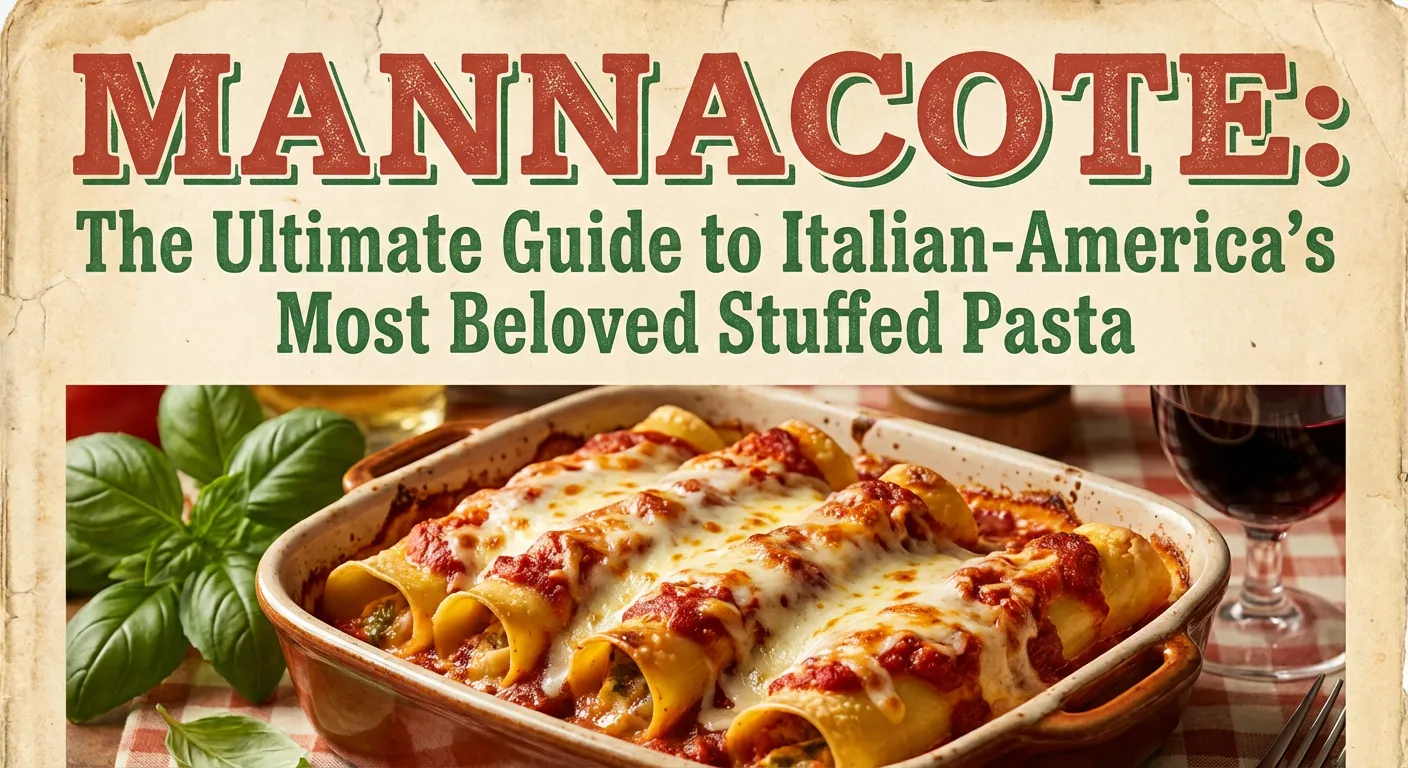
There is a particular kind of comfort that only a baked stuffed pasta pulled straight from the oven can deliver — the bubbling tomato sauce, the molten mozzarella crust, the yielding pasta shell giving way to a cloud of seasoned ricotta filling. In Italian-American cuisine, few dishes embody that comfort more completely than Mannacote — a treasured expression of pasta al forno tradition that has anchored Sunday dinner tradition tables and holiday pasta dish celebrations for generations.
Whether you grew up calling it manicotti, encountered its close cousin cannelloni in a Bologna trattoria, or first tasted it in the red-checkered-tablecloth warmth of Little Italy New York, Mannacote occupies a singular place in the culinary tradition of Italian-American identity. This is the complete guide — history, technique, filling variations, sauce options, wine pairings, nutritional profile, and everything in between.
What Is Mannacote? Culinary Taxonomy and Origins
Understanding Mannacote begins with a brief tour through the culinary taxonomy of stuffed pasta in the Italian and Italian-American tradition. The term itself is a dialectal and phonetic variation — a linguistic artifact of the immigration experience that transformed Italian culinary vocabulary through the filter of American-English pronunciation and regional Italian dialect.
Mannacote vs. Manicotti: The Italian-American Variant
The manicotti comparison is the most direct starting point. Manicotti — literally “little muffs” or “little sleeves” in Italian — refers to large, ridged tubular pasta that is boiled, filled, and baked. Mannacote represents the Italian-American variant of this tradition, often made with hand-crafted dough formed into pasta sheets that are rolled around the filling rather than using pre-formed dried tubes.
This distinction matters. The pasta dough used in authentic Mannacote preparation produces a more delicate, supple wrapper than commercial dried manicotti tubes — one that absorbs tomato sauce more readily, yields more gently under a fork, and delivers a fundamentally different textural experience. It is generational cooking embodied in technique — the difference between a dish assembled from components and one built from scratch with intention.
Mannacote vs. Cannelloni: Regional Distinctions
The cannelloni comparison introduces the Italian regional dimension. Cannelloni — “large reeds” — is the northern Italian, specifically Emilia-Romagna and Campania, tradition of rolling fresh pasta sheets around a filling and baking in sauce. The Mannacote tradition, as it evolved through Italian-American cuisine, synthesized elements of both the southern manicotti and northern cannelloni approaches, producing a dish that belongs fully to neither Italian category and entirely to the Italian-American identity forged in communities from Little Italy New York to Chicago Italian restaurants.
The Foundation: Hand-Crafted Pasta Dough
The soul of exceptional Mannacote lives in the pasta dough. While commercial dried pasta tubes are a practical shortcut that produces acceptable results, the authentic family recipe tradition demands hand-crafted dough — and the difference in the finished dish justifies every extra minute of preparation.
Basic Pasta Dough for Mannacote
A classic pasta dough for Mannacote uses a simple ratio of flour, eggs, and a touch of olive oil — ingredients that combine into a smooth, elastic dough capable of being rolled into thin, workable pasta sheets. The eggs provide structure and richness, the flour determines texture, and the resting period allows the gluten network to relax enough for rolling without resistance.
The rolled pasta sheets are cut into rectangles, briefly blanched in well-salted boiling water until just past al dente — firm enough to handle during rolling but yielding enough to become tender during baking — then laid flat on clean kitchen towels to cool before filling.
This pasta preparation step separates the experienced Mannacote maker from the novice. Boiling pasta sheets requires attention — too long in the water and they tear during rolling; too short and they emerge tough and resistant. The al dente window for fresh pasta sheets is narrow and rewarding.
The Filling: Ricotta Cheese and Beyond
If the pasta dough is the soul of Mannacote, the ricotta filling is its heart. Ricotta cheese — literally “recooked,” made from the whey remaining after primary cheese production — brings a mild, slightly sweet creaminess to the filling that no other cheese can replicate. Combined with egg for binding, Parmigiano-Reggiano for depth, fresh herbs, and seasoning, the classic ricotta filling achieves a balance of richness and lightness that makes Mannacote feel simultaneously indulgent and elegant.
Classic Ricotta Spinach Filling
The spinach ricotta variation is the cornerstone of the Italian-American cuisine Mannacote canon. Wilted, thoroughly squeezed spinach adds color, earthiness, and nutritional density to the ricotta filling while keeping the overall character gentle and crowd-pleasing. The fresh basil garnish dimension extends naturally into the filling itself — torn basil leaves folded into the ricotta add a brightness that dried herbs cannot match.
This filling is the standard against which all Mannacote filling variations are measured — it is the version that appears in family recipe collections across generations, the one whose smell triggers the deepest comfort food memories.
Meat Filling Variations
For households where a meat filling is the expectation, Mannacote accommodates with equal elegance. Ground beef pasta filling — seasoned beef browned with garlic, onion, and Italian herbs, cooled and folded into the ricotta base — adds protein density and savory depth that makes the dish a genuinely satisfying centerpiece for family dinner pasta occasions.
Sausage filling offers a more assertive flavor profile — sweet Italian sausage removed from its casing, crumbled and cooked, then combined with ricotta and Parmigiano-Reggiano for a filling that asserts itself through the tomato sauce layers in every bite. This is Sunday dinner tradition food at its most satisfying — hearty, fragrant, and unmistakably Italian-American.
Seafood and Specialty Fillings
The more adventurous expressions of Mannacote filling tradition venture into seafood pasta territory — shrimp stuffed pasta with a delicate ricotta base seasoned with lemon and white wine, crab pasta filling that pairs beautifully with an Alfredo sauce alternative to the traditional marinara sauce, and even mushroom filling preparations that layer earthy porcini and cremini depth into a vegetarian option that satisfies as completely as any meat-based variant.
Roasted pepper pasta filling — fire-roasted red peppers folded into seasoned ricotta — brings a sweet, smoky dimension to the stuffed pasta dish that works particularly well for festive pasta dish occasions where visual drama and flavor complexity are equally desirable.
Plant-Based and Modern Adaptations
The plant based pasta adaptation of Mannacote has evolved considerably beyond early attempts. Tofu cashew ricotta — raw cashews soaked and blended with tofu, nutritional yeast, lemon juice, and herbs — creates a ricotta filling substitute that behaves similarly in baking and delivers satisfying flavor and texture to dairy-free diners. Lentil pasta and rice pasta tubes expand the gluten free pasta accessibility of the dish for guests with dietary restrictions, making Mannacote an inclusive family dinner pasta option.
The Sauce: Tomato, Alfredo, and Layering Technique
Sauce layering is the technique that elevates Mannacote from good to transcendent. The baked pasta format demands that sauce be applied both beneath the filled pasta — creating a bed that prevents sticking and begins the flavor integration — and generously over the top, where it will bubble, reduce, and caramelize around the edges during baking.
Marinara and Tomato Sauce
A slow-cooked marinara sauce built from quality crushed San Marzano tomatoes, garlic, olive oil, and fresh basil is the Mannacote sauce tradition’s gold standard. The lycopene antioxidant content of cooked tomatoes — bioavailability of lycopene actually increases with heat and fat exposure — adds a nutritional dimension to the pleasure of a rich, deeply flavored tomato sauce.
The layering sequence matters: a generous base layer of tomato sauce in the baking dish, a single layer of filled Mannacote positioned seam-side down, a second complete sauce coverage, and a final crown of shredded mozzarella and grated Parmigiano-Reggiano that will melt into the dish’s signature browned, bubbling top.
Alfredo Sauce Variation
For seafood pasta fillings or occasions when a richer, more decadent profile is desired, Alfredo sauce replaces the tomato base entirely. The cream and butter foundation of Alfredo sauce creates a baked stuffed pasta experience that feels closer to Campania culinary tradition — opulent, silky, and deeply satisfying in small portions.
Baking and the Pasta al Forno Tradition
Pasta al forno — literally “pasta from the oven” — is one of the most ancient and beloved categories of Italian culinary tradition. The transformation that occurs during baking is genuinely alchemical: separate components of pasta, filling, and sauce merge into a unified dish whose whole is profoundly greater than its parts.
The ideal Mannacote baking protocol involves a covered initial bake at moderate temperature — allowing the interior to heat through completely and the flavors to meld — followed by an uncovered finish at higher heat that produces the browned, crisped mozzarella crust that is the dish’s most visually and texturally distinctive feature.
Restaurant portions of Mannacote typically feature two or three filled pasta pieces per serving, reflecting the dish’s substantial filling density. Home cooking portions tend toward generosity — the Sunday dinner tradition culture that produced Mannacote did not embrace minimalism.
Regional Traditions: From Bologna to Little Italy
The geography of Mannacote tradition spans both the Italian peninsula and the Italian-American diaspora in ways that enrich the dish’s cultural meaning.
In Emilia-Romagna, the Bologna trattorias that specialize in fresh pasta tradition produce cannelloni preparations that represent Mannacote‘s most direct Italian ancestor — fresh pasta sheets, delicate meat-and-ricotta fillings, béchamel-touched baking. In Campania, the southern Italian manicotti tradition favors dried pasta tubes and assertive tomato sauce over the more refined northern approach.
In Little Italy New York, the dish evolved into its distinctly American form — larger, richer, more abundant — reflecting both the availability of ingredients in America that were scarce in Italy and the Italian-American identity aspiration toward abundance as a sign of arrival and belonging. The Chicago Italian restaurants that became institutions in the mid-twentieth century served Mannacote as an anchor of red-sauce menus that defined what “Italian food” meant to generations of American diners.
This is Italian-American cuisine as cultural expression — a dish that tells the story of immigration, adaptation, and the transformation of culinary heritage into something new, distinct, and entirely its own.
Wine Pairings: Completing the Mannacote Table
The Italian-American dinner table tradition that produced Mannacote has always included wine — and the right pairing elevates the meal from satisfying to genuinely celebratory.
Chianti Classico
Chianti Classico — the Sangiovese-based red wine of Tuscany — is the classic Mannacote companion for tomato-sauced preparations. Its bright acidity cuts through the richness of the ricotta filling and mozzarella, its cherry fruit echoes the sweetness of slow-cooked tomato sauce, and its earthy undertone grounds the entire pairing in authentic Italian tradition. A Chianti Classico Riserva elevates the experience further for festive pasta dish occasions.
Pinot Grigio Pairing
For seafood pasta fillings and Alfredo sauce variations, a crisp Pinot Grigio pairing brings the acidity and mineral freshness needed to balance richness without overwhelming the delicate filling flavors. The Pinot Grigio wines of Friuli Venezia Giulia — more textured and complex than their Veneto counterparts — are particularly well-suited to Mannacote service.
Accompaniments: Completing the Meal
The Mannacote experience extends beyond the baking dish to the accompaniments that frame and balance the rich centerpiece.
Garlic bread — crusty Italian bread rubbed with garlic and brushed with olive oil, toasted until golden — is the non-negotiable companion, essential for capturing the tomato sauce left on the plate. An arugula salad dressed simply with lemon juice, olive oil, and shaved Parmigiano-Reggiano provides the peppery, acidic contrast that cuts through the dish’s richness and refreshes the palate between bites. Fresh basil garnish scattered over the finished Mannacote before serving adds aromatic freshness and visual beauty that the dish’s rustic heartiness benefits from.
Nutritional Profile: Mannacote as a Balanced Meal
Mannacote occupies a genuinely defensible position within a Mediterranean diet and Mediterranean lifestyle framework when prepared thoughtfully — not despite its ingredient profile but because of it.
Protein Quality and Muscle Nutrition
The ricotta filling at the core of Mannacote is a significant source of casein protein — the slow-digesting dairy protein that provides sustained leucine rich protein delivery for muscle protein synthesis. Casein protein and egg white protein (from the binding eggs in the filling) combine to make Mannacote a meaningfully high protein pasta option relative to simple pasta dishes with light sauces.
For athletes and active individuals, the post workout meal application of Mannacote is legitimate — the complex carbohydrates of the pasta, the complete protein of the ricotta-egg filling, and the micronutrient density of a spinach-enriched preparation deliver a macro balanced meal profile appropriate for recovery nutrition.
Micronutrient Density
Calcium phosphorus vitamins from the ricotta and mozzarella, B complex vitamins from the pasta and filling, vitamin A from spinach-containing preparations, and the lycopene antioxidant from cooked tomato sauce combine to make Mannacote a micronutrient-rich dish that participates meaningfully in a Mediterranean diet pattern.
Part-skim ricotta reduces the saturated fat content of the filling without significantly compromising texture or flavor — a straightforward modification that improves the dish’s calorie controlled pasta profile for those managing energy intake.
Behavioral Nutrition and Structured Indulgence
From a behavioral nutrition perspective, Mannacote exemplifies the principle of structured indulgence — a satisfying, flavorful meal that delivers psychological as well as nutritional satisfaction. The comfort food reward value of a well-made baked pasta supports dietary sustainability in ways that restrictive eating patterns cannot.
Portion control at the restaurant portions level — two filled pasta pieces with a side salad and moderate wine — produces a meal that fits comfortably within calorie cycling frameworks and Mediterranean lifestyle dietary patterns. The glycemic stability provided by the protein and fat content of the filling moderates the blood sugar response to the complex carbohydrates in the pasta, making the post-meal energy experience more stable than simple carbohydrate meals deliver.
The Family Recipe Tradition: Why Mannacote Endures
Mannacote persists across generations of Italian-American families not because it is simple or quick — it is neither — but because the making of it is itself an act of love and cultural continuity. The generational cooking transmission of a family recipe for Mannacote carries information about identity, belonging, and care that transcends the dish’s ingredient list.
Sunday dinner tradition built around Mannacote is a ritual of family cohesion — the long table, the sauce that has been simmering since morning, the baking dish arriving from the oven to collective appreciation. Holiday pasta dish applications for Christmas Eve, Easter Sunday, and other significant family occasions invest the dish with memory and meaning that no restaurant can replicate.
This is comfort food at its deepest level — not merely food that tastes good, but food that means something. Mannacote carries the weight of Italian-American identity in every rolled pasta shell, every spoonful of ricotta filling, every ladle of tomato sauce spread across a generational baking dish that has been in the family longer than anyone can remember.
Making Mannacote: Bringing It All Together
The complete Mannacote preparation — from hand-crafted dough through filling variations, sauce layering, and pasta al forno baking — requires time and attention that weeknight cooking rarely accommodates. This is intentionally a weekend project, a Sunday dinner tradition undertaking, a festive pasta dish commitment.
That investment is precisely what makes it meaningful. The hours of preparation are not inconvenience — they are participation in a culinary tradition that stretches from Emilia-Romagna to Little Italy New York to whatever kitchen you are standing in right now. The baked stuffed pasta that emerges from the oven carries all of that history in its bubbling, fragrant, golden-crowned presence.
Mannacote is not a dish you make casually. It is a dish you make for people you love, on occasions that deserve to be marked, with ingredients and technique that honor the Italian-American cuisine tradition that created it.
Make it well. Make it often. Pass the recipe down.


Trucofax: The All-in-One Document Management Platform for the Modern Business
The modern business runs on documents — contracts, invoices, reports, proposals, approvals — and the organizations that manage those documents...

Pappedeckel: The Complete Guide to Germany’s Beloved Cardboard Lid and Traditional Cake
Few words in the German language carry as much quiet cultural weight as Pappedeckel. Literally translating to “cardboard lid” —...


Solo ET: The Intelligent Productivity Platform Built for Individual Excellence
In an era defined by constant connectivity, collectivism pressure, and the relentless noise of group dynamics, a quiet but powerful...


Best API Search Company’s Homepage – API Discovery Platform for Developers
The best API search company’s homepage, you’re likely looking for more than just a search bar. You want a powerful...

Mannacote: The Ultimate Guide to Italian-America’s Most Beloved Stuffed Pasta
There is a particular kind of comfort that only a baked stuffed pasta pulled straight from the oven can deliver...


Theodora Holmes: Troy Polamalu’s Wife, Family, Faith & Philanthropic Legacy
Theodora Holmes is an American homemaker, philanthropist, and the wife of NFL Hall of Famer Troy Polamalu — a woman...


Nicole Young: Selling Sunset Star, Beverly Hills Real Estate Agent & Biography
Nicole Young is a Beverly Hills luxury real estate agent and Netflix reality television personality best known as a cast...


Glena Goranson: Pete Carroll’s Wife, Family Life, A Better Seattle Foundation & Biography
Glena Goranson is the quietly remarkable woman who has stood beside one of the NFL’s most celebrated head coaches for...


Leslie Knipfing: Kevin James’ Sister, Retinitis Pigmentosa Advocate & JVK Foundation Work
Leslie Knipfing is the lesser-known but deeply inspiring sister of beloved American comedian and actor Kevin James, born Kevin George...


Najee Laurent Todd Eugene Smith: LL Cool J’s Son, Net Worth, Life & Biography
Najee Laurent Todd Eugene Smith is the eldest son of legendary rapper, actor, and entrepreneur LL Cool J — born...
-

 Education1 month ago
Detailed analysis: internal+complaints+committee+report+2014-2020+central+university+of+kashmir
-

 Lifestyle2 months ago
Milyom Explained: Meaning, Culture & Impact on Modern Life
-

 Social Media2 months ago
GlarklyHub: Secure Social Networking & Digital Platform
-

 Entertainment1 month ago
Animeidhen: The Next-Generation Anime Hub Redefining Digital Animation
-

 Lifestyle1 month ago
Unveiling Monika Leveski: Creativity, Vision, and Influence in the Modern Art World
-

 Latest News1 month ago
2026 Volkswagen Karmann Ghia Full Review: Classic Beauty, Modern EV
-

 Education1 month ago
abcdefghijklmnopqrstuvwxyz – Meaning, Uses, Examples & Complete Guide
-

 Business1 month ago
Sinkom Smart Integration Solutions for Homes & Businesses