
Education
Detailed analysis: internal+complaints+committee+report+2014-2020+central+university+of+kashmir


The Internal Complaints Committee Report (2014–2020) of the Central University of Kashmir is a significant institutional document that reflects the university’s commitment to providing a safe, dignified, and inclusive academic environment. The report outlines how the Internal Complaints Committee, constituted under Indian law, addressed complaints related to sexual harassment and gender-based misconduct during this period. By documenting complaints, inquiries, outcomes, and awareness initiatives, the report demonstrates transparency and accountability in institutional governance.
Legal Framework Governing the Internal Complaints Committee
The Internal Complaints Committee at the Central University of Kashmir functions under the Sexual Harassment of Women at Workplace (Prevention, Prohibition and Redressal) Act, 2013, along with guidelines issued by the University Grants Commission. These legal provisions mandate every higher educational institution to establish an ICC to ensure protection of women from harassment. The ICC report between 2014 and 2020 confirms the university’s compliance with national legislation and regulatory standards.
Constitution of the ICC at Central University of Kashmir
The ICC at the Central University of Kashmir was constituted in accordance with statutory requirements, ensuring independence and fairness. The committee included a senior woman faculty member as Presiding Officer, internal members with experience in social justice and gender issues, and an external expert from a legal or non-governmental organization. This structure enhanced credibility and ensured unbiased handling of complaints throughout the reporting period.
Scope and Coverage of the ICC Report (2014–2020)
The Internal Complaints Committee Report 2014–2020 covers complaints received from women students, teaching staff, non-teaching staff, and contractual employees. The report documents the nature of complaints, inquiry procedures followed, resolutions reached, and preventive measures adopted. This comprehensive scope highlights the ICC’s role as a central mechanism for redressal within the university.
Types of Complaints Addressed by the ICC
During the period from 2014 to 2020, the ICC at the Central University of Kashmir dealt with complaints related to sexual harassment, inappropriate verbal or non-verbal behavior, misuse of authority, and gender-based discrimination. The report indicates that complaints were examined carefully to determine jurisdiction and admissibility before initiating formal inquiries, ensuring fairness to all parties involved.
Complaint Redressal Process Followed by the ICC
The ICC report explains that all complaints were handled through a structured and legally compliant procedure. After receiving a written complaint, the committee conducted a preliminary assessment followed by a formal inquiry where required. Both the complainant and the respondent were given equal opportunities to present their case, submit evidence, and participate in hearings. Confidentiality and principles of natural justice were strictly maintained.
Key Findings and Observations in the ICC Report
One of the key findings of the Internal Complaints Committee Report (2014–2020) is the relatively low number of formal complaints, particularly in the initial years. While this may suggest a safer environment, the report also acknowledges challenges such as underreporting due to social stigma or fear. Over time, increased awareness initiatives contributed to improved confidence in the ICC mechanism.
Outcomes and Recommendations of ICC Inquiries
The outcomes documented in the ICC report varied depending on the nature of complaints. Some cases were resolved through internal conciliation with the consent of the complainant, while others resulted in formal recommendations for disciplinary action. In certain cases, complaints were withdrawn due to lack of evidence. The ICC ensured that all recommendations were made objectively and forwarded to competent university authorities for implementation.
Preventive and Awareness Measures by the University
Between 2014 and 2020, the Central University of Kashmir undertook several preventive initiatives as part of its ICC mandate. These included gender sensitization workshops, orientation programs for new students and employees, and awareness campaigns explaining POSH laws and complaint mechanisms. The ICC report emphasizes prevention as a key strategy in maintaining a harassment-free campus.
Role of UGC and Institutional Compliance
The ICC at the Central University of Kashmir operated under continuous oversight and guidance from the University Grants Commission. The report highlights compliance with UGC Regulations on the Prevention of Sexual Harassment, including policy publication, reporting obligations, and institutional audits. This alignment strengthened the university’s accountability framework.
Challenges Identified in the ICC Report (2014–2020)
The Internal Complaints Committee Report identifies challenges such as limited awareness in early years, hesitation among complainants to report incidents, and the need for continuous training of ICC members. Addressing these challenges was highlighted as essential for strengthening trust in the redressal mechanism.
Conclusion: Significance of the ICC Report for Central University of Kashmir
The Internal Complaints Committee Report (2014–2020) of the Central University of Kashmir serves as an important reflection of institutional responsibility and legal compliance. It demonstrates the university’s efforts to ensure safety, dignity, and equality within its academic community. The report not only fulfills statutory requirements but also contributes to building a culture of respect and gender justice on campus.
FAQs – Internal Complaints Committee Report (2014–2020)
What is the Internal Complaints Committee at the Central University of Kashmir?
The Internal Complaints Committee is a statutory body established to address complaints of sexual harassment and ensure a safe workplace for women.
What period does the ICC report cover?
The ICC report covers the period from 2014 to 2020.
Who can file a complaint with the ICC?
Women students, teaching staff, non-teaching staff, and contractual employees of the university can file complaints.
Is the ICC process confidential?
Yes, the ICC maintains strict confidentiality throughout the inquiry process.
Why is the ICC report important?
The report ensures transparency, accountability, and compliance with national laws while promoting a safe academic environment.

If you have searched for Nova Scola and wondered whether it is a school, a concept, a platform, or a movement — the answer is that it is all of these things at once, and that is exactly what makes it so significant. Nova Scola, derived from the Latin words for “new school,” is one of the most discussed education frameworks of 2025 and 2026. It represents a radical shift away from the industrial-era classroom model toward a system built around each individual learner — powered by AI, enriched with virtual reality, and grounded in real-world problem-solving. This guide covers every dimension of Nova Scola: what it means, where it came from, how it works in practice, what separates it from traditional schooling, what challenges it faces, and what its future looks like.
What Is Nova Scola? A Clear and Simple Definition
Nova Scola translates directly to “New School” from Latin — and that translation is more than a name. It is a declaration of intent.
At its most fundamental level, Nova Scola is a modern educational philosophy and framework that reimagines the purpose, structure, and experience of learning. It is not confined to a single institution, curriculum, or software platform. Instead, it is a set of principles that schools, educators, parents, and policymakers can adopt to build more relevant, human-centered, and future-ready learning environments.
The philosophy of Nova Scola rests on one core belief: education should not simply fill minds with information — it should develop the whole person. That means building critical thinking, emotional intelligence, digital literacy, creativity, and adaptability alongside academic knowledge. It means preparing young people not just for exams, but for life.
Nova Scola represents more than an educational concept — it is a movement redefining how we view learning in the 21st century.
The Origins of Nova Scola: From Latin Roots to a Global Movement
The conceptual roots of Nova Scola trace back centuries, to educational thinkers who understood that learning must be active, meaningful, and student-driven. Maria Montessori emphasized self-directed exploration. John Dewey championed hands-on, experiential learning. Paulo Freire argued that education must empower rather than domesticate.
While early “new school” movements focused on hands-on and experience-based education, today’s Nova Scola takes these ideas further by incorporating cutting-edge technology, global perspectives, and skill development for a digital age.
The rise of global challenges — pandemics, political polarization, ecological crises — prompted educators and policymakers to revisit foundational questions: What is the purpose of school? What skills and values must learners embody by 2030 or 2040? Nova Scola is the answer drawn from these reflections: not a reform of the old, but a radical departure toward a humane, interconnected, and resilient form of education.
Inspired by high-performing education systems in Finland, Singapore, and progressive models across Europe and Latin America, Nova Scola also takes root as an institutional name. In countries like Brazil and Portugal, schools bearing the Nova Scola identity have built their programs around modern teaching techniques, digital integration, and community-embedded learning.
The Four Core Pillars of Nova Scola
Understanding Nova Scola means understanding the four principles that hold the entire framework together.
Personalized Learning Pathways are the foundation. Nova Scola rejects the one-size-fits-all model, where every child of the same age is expected to learn the same content at the same pace. Instead, it uses data-driven insights and adaptive tools to match learning content, pace, and style to each individual student. Every learner has unique strengths and weaknesses, and Nova Scola’s model recognizes this diversity. Through data-driven insights, teachers can tailor content and teaching methods to match each student’s learning style — whether visual, auditory, or kinesthetic.
Technology as a Learning Partner is the second pillar. From virtual reality classrooms to AI-powered tutoring systems, digital tools make education more engaging and accessible. Students can explore complex subjects through interactive simulations, collaborate with peers worldwide, and receive instant feedback — all thanks to advanced digital tools. Critically, technology in the Nova Scola framework is never treated as a replacement for the teacher — it is a partner that amplifies what great teaching can achieve.
Real-World, Project-Based Learning is the third pillar. Rather than abstract exercises disconnected from life, Nova Scola students solve genuine problems. Real projects mean kids solve actual problems — design a garden, plan a budget, or code a game. A math project might teach fractions while kids plan a pizza party for the class. This project-based approach develops not just content knowledge but the ability to think, collaborate, and act.
Heart and Life Skills complete the framework. Emotional intelligence, resilience, communication, digital safety, and collaborative problem-solving are woven throughout the Nova Scola experience. The essence of Nova Scola is to provide not just academic knowledge but also life skills, emotional intelligence, and adaptability — qualities needed in the modern world.
How Nova Scola Differs from Traditional Education
The contrast between Nova Scola and traditional schooling is not cosmetic — it is structural and philosophical.
Dimension Traditional Education Nova Scola Learning model Standardized, uniform Personalized, adaptive Classroom role Teacher lectures, students receive Teacher facilitates, students explore Assessment Standardized tests Portfolios, projects, presentations Curriculum Fixed, textbook-driven Dynamic, real-world integrated Technology Supplementary or absent Foundational and embedded Skills emphasis Academic knowledge Academic + life skills + digital literacy Student role Passive recipient Active participant and creator Global connection Limited Cross-border collaboration and exchange
The Nova Scola is not a rejection of structure, but an embrace of a more fluid, responsive, and human-centric structure. Technology is the indispensable engine of this transformation, acting not as a mere tool but as the foundational infrastructure for a new learning ecology.
Nova Scola in Practice: A Day in the Life
What does Nova Scola actually look like in a school that has adopted its principles?
The day often begins with a mindful opening — journaling, silent reading, or structured reflection — rather than bells and rigid roll calls. This sets the tone for a session built around curiosity and self-awareness rather than compliance.
A morning module might explore a global water crisis through three lenses simultaneously: science examines desalination technology, mathematics models water consumption by population, and history traces colonial patterns of resource control. Students are not learning siloed subjects — they are learning to see a single challenge from multiple angles at once.
In the afternoon, a collaborative project takes shape. One group might be developing a prototype for a school garden that reduces food waste, budgeting their materials, researching soil science, and designing an outreach campaign to share results with the community. Another group is using virtual reality to walk through the anatomy of the human heart, pointing and rotating structures in three dimensions before writing a clinical explanation of how blood flows through the chambers.
Early 2025 trials show that kids stayed engaged 30–50% longer in Nova Scola environments, with sharper problem-solving outcomes in projects. One Brazilian school saw absenteeism drop 15% after three months of implementation.
Teachers in this environment are facilitators and mentors, not content deliverers. They guide, question, challenge, and coach — building the kind of relationship with students that makes learning feel meaningful rather than mandatory.
Nova Scola and the Role of AI and VR in Modern Classrooms
The technology layer of Nova Scola is not about putting screens in front of children for the sake of it. It is about using the right tools to unlock learning that would otherwise be impossible.
AI-powered adaptive platforms continuously assess where each student is, identify gaps before they become problems, and suggest the next right learning step. This means a student who masters fractions early is challenged further, while a student who needs more time receives targeted support — without stigma, and without disrupting the whole class.
Virtual reality removes the physical and financial barriers of experiential learning. History students don’t just read about Ancient Rome — they don a VR headset and walk through a digitally reconstructed Forum. Biology students don’t just study the circulatory system — they journey through the human bloodstream, observing red and white blood cells in their native environment. These experiences are not gimmicks. Research in cognitive science consistently shows that embodied, multi-sensory experiences produce deeper and more durable learning than passive reading or listening alone.
Gamified learning platforms turn practice into engagement. Global collaboration tools connect classrooms across time zones, giving students real experience of the cross-cultural communication that modern workplaces demand.
Challenges Facing Nova Scola Implementation
Nova Scola is not without real and serious challenges. Understanding them is essential for educators, parents, and institutions considering adoption.
The digital divide remains the most significant structural barrier. Not every school, district, or country has the infrastructure for device access, reliable internet, or technical support. Solutions include shared device lab models, downloadable offline modules, and phased implementation that begins with low-cost digital tools before scaling.
Teacher training is the second major challenge. Fifty percent of educators in early-adopter surveys report feeling underprepared for technology-integrated teaching. Nova Scola requires investment in ongoing professional development, peer mentorship, and protected time for educators to learn and adapt.
Institutional resistance is real. Traditional school systems — shaped by standardized curricula, centralized assessment, and decades of established practice — do not change quickly. Demonstrating measurable results through small-scale pilots is typically the most effective strategy for building institutional confidence.
Balancing screen time with face-to-face interaction is a design challenge every Nova Scola implementation must actively manage. The framework is explicit that technology should enhance human connection, not replace it.
Assessment alignment poses a systemic challenge. Where national or regional education standards still require standardized testing, Nova Scola’s portfolio and project-based assessment models must operate within those constraints while building toward a broader vision of learner evaluation.
The Global Future of Nova Scola Beyond 2026
The trajectory of Nova Scola as a global education framework is firmly upward. As AI tools become more affordable, VR hardware drops in price, and evidence from early-adopter schools continues to build, the barriers to Nova Scola adoption will lower across income levels and geographies.
The future of education lies in adaptability and innovation, and Nova Scola is well-positioned to lead this transformation. As educational systems worldwide seek sustainable and inclusive solutions, the principles behind Nova Scola continue to gain relevance.
The next generation of Nova Scola-aligned schools is likely to feature AI tutors that understand emotional state as well as academic progress, classrooms that physically adapt their layout based on the learning activity, and global student networks that treat cross-cultural collaboration as a core academic skill rather than an optional enrichment.
For parents, educators, and policymakers who want to explore Nova Scola further, UNESCO’s Education Framework and the OECD Learning Compass 2030 provide the policy and research foundations that align most closely with Nova Scola’s core principles.
Key Takeaways
- Nova Scola means “New School” in Latin — it is a modern, student-centered education philosophy and framework, not a single institution or software product.
- Its four core pillars are personalized learning, technology as a learning partner, project-based real-world problem solving, and life and heart skills including emotional intelligence and digital literacy.
- Nova Scola classrooms use AI-powered adaptive platforms, VR simulations, and gamified learning tools to deliver learning that is deeper, more engaging, and more memorable than traditional instruction.
- Early pilot data from 2024–2025 shows 30–50% higher student engagement and meaningful drops in absenteeism in schools adopting Nova Scola principles.
- Key implementation challenges include the digital divide, teacher training needs, institutional resistance, and screen-time management — all of which have documented, practical solutions.
Frequently Asked Questions About Nova Scola
What does Nova Scola mean? Nova Scola is Latin for “New School.” It refers to a modern educational philosophy that replaces industrial-era, one-size-fits-all schooling with personalized, technology-enriched, and real-world-focused learning.
Is Nova Scola a specific school or a concept? Both. Some institutions — particularly in Brazil and Portugal — use Nova Scola as their school name and build their program around its principles. More broadly, it is a global educational framework and movement.
How does Nova Scola use AI in the classroom? AI-powered adaptive platforms in Nova Scola environments continuously assess each student’s progress and adjust content in real time, providing personalized learning pathways and targeted support without disrupting the pace of the class.
How is Nova Scola different from Montessori? Both philosophies center the learner, but Nova Scola adds AI tools, virtual reality, and global digital collaboration to the Montessori tradition of self-directed learning. Nova Scola is more explicitly oriented toward preparing students for a digital, interconnected world.
What subjects does Nova Scola teach? Nova Scola integrates traditional academic subjects — math, science, history, language — with digital literacy, emotional intelligence, sustainability, financial literacy, and global citizenship through interdisciplinary, project-based learning.
Is Nova Scola expensive to implement? Full implementations can require significant investment, but Nova Scola principles can be applied incrementally. Shared device labs, free adaptive learning apps, and phased professional development programs make entry-level adoption feasible for schools with limited budgets.
What does research say about Nova Scola outcomes? Early 2024–2025 pilot data shows students in Nova Scola environments maintained engagement 30–50% longer than in traditional settings, scored higher on problem-solving assessments, and showed reduced absenteeism rates in multiple schools.
How does Nova Scola address students without technology access? Offline downloadable modules, shared device programs, and paper-based project learning allow Nova Scola principles to operate in low-connectivity environments, ensuring the framework is not exclusively available to technologically advantaged students.
Who are the key thinkers behind Nova Scola? The Nova Scola framework draws on the educational philosophies of Maria Montessori, John Dewey, and Paulo Freire, updated and extended by contemporary AI, cognitive science, and EdTech research.
Is Nova Scola the future of education? The evidence from early implementations, combined with the direction of global education policy — particularly UNESCO and OECD frameworks — suggests that the principles of Nova Scola represent the most credible and humane path for education reform in the coming decades.

Introduction to abcdefghijklmnopqrstuvwxyz
The word abcdefghijklmnopqrstuvwxyz represents the complete sequence of letters used in the modern English alphabet. It is one of the most fundamental building blocks of written communication, language learning, literacy, and education. From early childhood learning to advanced linguistic studies, the alphabet sequence abcdefghijklmnopqrstuvwxyz plays a crucial role in reading, writing, spelling, and cognitive development.
This article provides a comprehensive and easy-to-understand explanation of abcdefghijklmnopqrstuvwxyz, covering its meaning, structure, uses, educational importance, real-life applications, and frequently asked questions. The content is optimized for search engines while remaining natural and human-friendly.
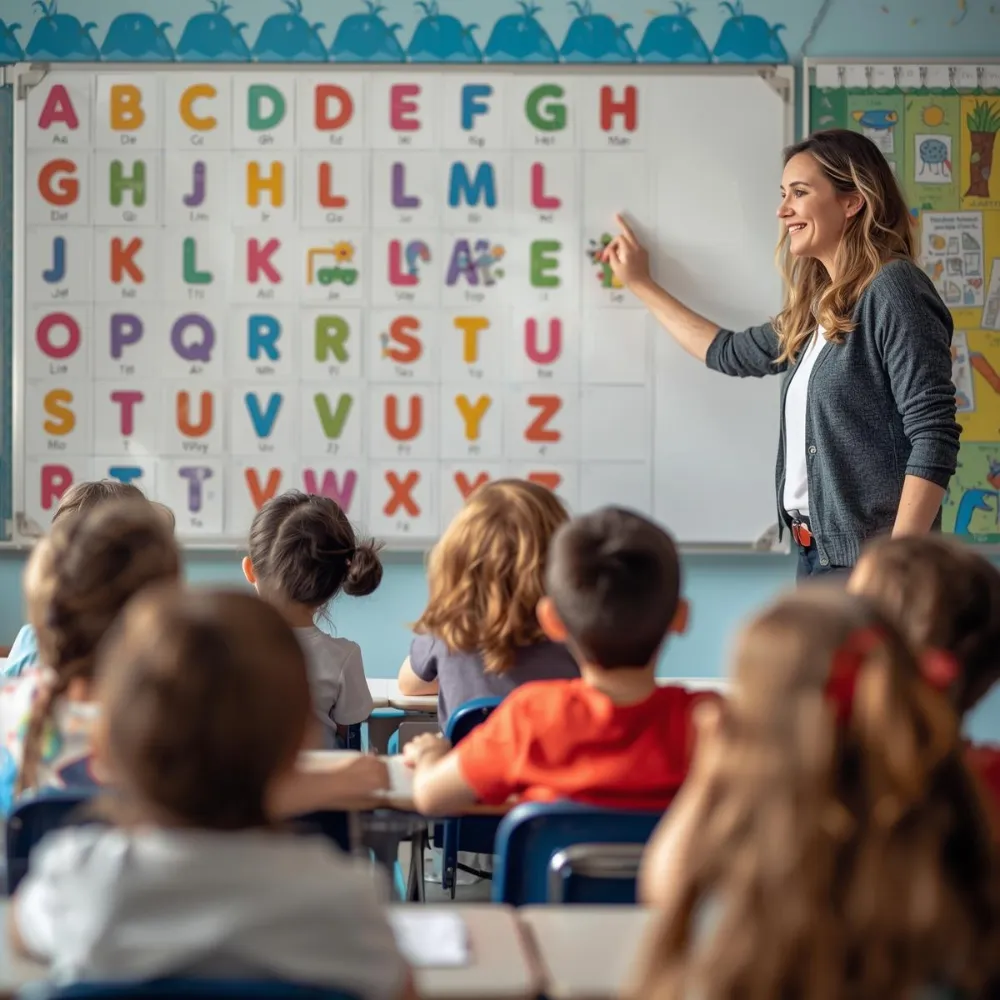
What Is abcdefghijklmnopqrstuvwxyz?
The term abcdefghijklmnopqrstuvwxyz refers to the ordered sequence of 26 letters used in the English language. These letters include both vowels and consonants, which together form words, sentences, and complete ideas. Each letter has an uppercase and lowercase form and represents specific sounds used in verbal and written communication.
The alphabet sequence abcdefghijklmnopqrstuvwxyz is often the first concept introduced to children when they begin learning a language. It serves as the foundation upon which literacy skills are built.
Historical Background of the Alphabet
The modern English alphabet represented by abcdefghijklmnopqrstuvwxyz has evolved over centuries. Its roots trace back to ancient writing systems such as the Phoenician alphabet, which later influenced Greek and Latin scripts. The Latin alphabet eventually became the standard system used in English and many other languages worldwide.
Over time, letters were added, removed, or modified, resulting in the 26-letter structure we recognize today as abcdefghijklmnopqrstuvwxyz.
Structure of abcdefghijklmnopqrstuvwxyz
The alphabet abcdefghijklmnopqrstuvwxyz consists of 26 letters divided into two main categories. Vowels include A, E, I, O, and U, while the remaining letters are consonants. Each letter has a unique phonetic sound that contributes to pronunciation and meaning in words.
The consistent order of abcdefghijklmnopqrstuvwxyz is important for dictionary arrangement, indexing systems, coding, and data organization.
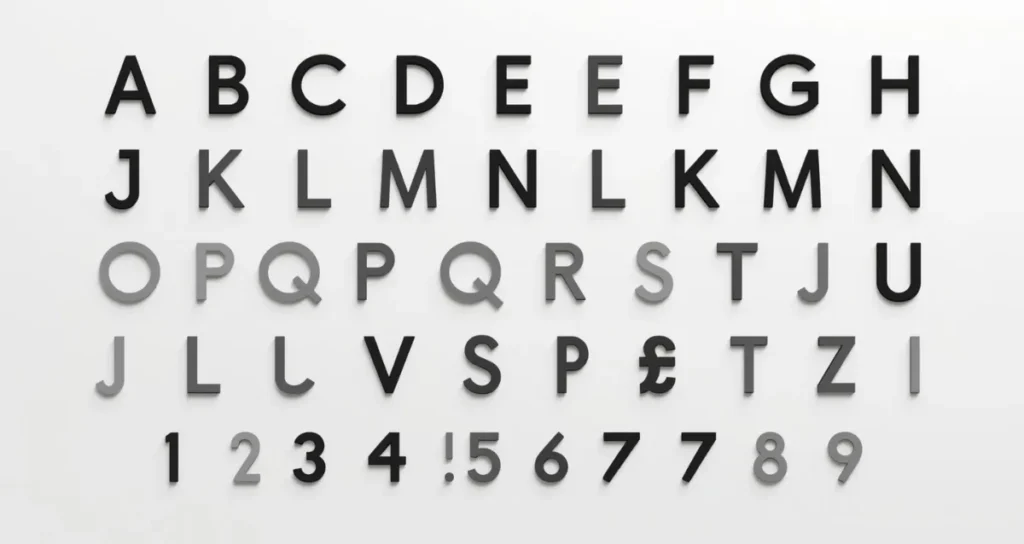
Educational Importance of abcdefghijklmnopqrstuvwxyz
Learning abcdefghijklmnopqrstuvwxyz is essential in early education. It helps children recognize letter shapes, sounds, and sequences. Mastery of the alphabet allows learners to begin forming words, reading sentences, and developing writing skills.
Teachers often use songs, charts, flashcards, and interactive activities to help students memorize and understand abcdefghijklmnopqrstuvwxyz effectively. Without a strong foundation in the alphabet, literacy development becomes significantly more challenging.
Practical Uses of abcdefghijklmnopqrstuvwxyz
The alphabet abcdefghijklmnopqrstuvwxyz is used in everyday life in countless ways. It is essential for writing emails, reading books, understanding signs, filling forms, coding software, and navigating digital platforms. Alphabetical ordering is widely used in libraries, offices, databases, and online search systems.
In technology, abcdefghijklmnopqrstuvwxyz is used in programming languages, passwords, encryption systems, and data classification. Its consistent structure makes it universally reliable.
Role of abcdefghijklmnopqrstuvwxyz in Language Development
Language development depends heavily on understanding abcdefghijklmnopqrstuvwxyz. Each letter represents one or more sounds, helping learners connect spoken language with written text. This connection is vital for pronunciation, spelling accuracy, and comprehension.
As vocabulary expands, the alphabet remains the core system that enables expression, storytelling, and knowledge sharing.
Why abcdefghijklmnopqrstuvwxyz Is Important in Digital Learning
In the digital age, abcdefghijklmnopqrstuvwxyz has become even more important. Search engines, URLs, usernames, and digital communication all rely on alphabetic characters. Children learning online platforms must understand the alphabet to interact effectively with educational tools and content.
Voice recognition, artificial intelligence, and machine learning systems also rely on alphabetic data for processing language inputs.
Common Examples Using abcdefghijklmnopqrstuvwxyz
Many educational examples use abcdefghijklmnopqrstuvwxyz to demonstrate order, spelling, and pattern recognition. Alphabet charts, worksheets, spelling exercises, and typing practice all revolve around this sequence. Even CAPTCHA systems and verification tools use alphabet letters to confirm human interaction.
The alphabet is also commonly used in testing sequences, placeholders, and demonstrations across various fields.
Challenges in Learning abcdefghijklmnopqrstuvwxyz
Some learners face challenges such as letter confusion, pronunciation difficulties, or memorization issues when learning abcdefghijklmnopqrstuvwxyz. These challenges are common in early childhood and can be addressed through repetition, phonics instruction, and visual aids.
Consistent practice and supportive learning environments significantly improve alphabet recognition and usage.
Future Relevance of abcdefghijklmnopqrstuvwxyz
Despite advancements in technology, abcdefghijklmnopqrstuvwxyz will remain relevant for generations. While communication methods evolve, written language continues to rely on alphabetic systems. Even with emojis, voice messages, and AI tools, the alphabet remains the backbone of structured communication.
Its simplicity and adaptability ensure its continued importance in education, technology, and global communication.
Conclusion
The keyword abcdefghijklmnopqrstuvwxyz represents much more than just a sequence of letters. It is the foundation of literacy, communication, education, and digital interaction. Understanding its structure, history, and applications helps learners appreciate its value in both traditional and modern contexts.
From classrooms to computers, abcdefghijklmnopqrstuvwxyz continues to shape how humans read, write, and connect with the world.
FAQs – abcdefghijklmnopqrstuvwxyz
What does abcdefghijklmnopqrstuvwxyz mean?
It represents the complete sequence of 26 letters in the English alphabet.
Why is abcdefghijklmnopqrstuvwxyz important?
It forms the foundation of reading, writing, language learning, and communication.
How many letters are in abcdefghijklmnopqrstuvwxyz?
There are 26 letters in total.
Where is abcdefghijklmnopqrstuvwxyz used?
It is used in education, communication, technology, coding, and everyday writing.
Is abcdefghijklmnopqrstuvwxyz still relevant today?
Yes, it remains essential in both traditional literacy and modern digital systems.
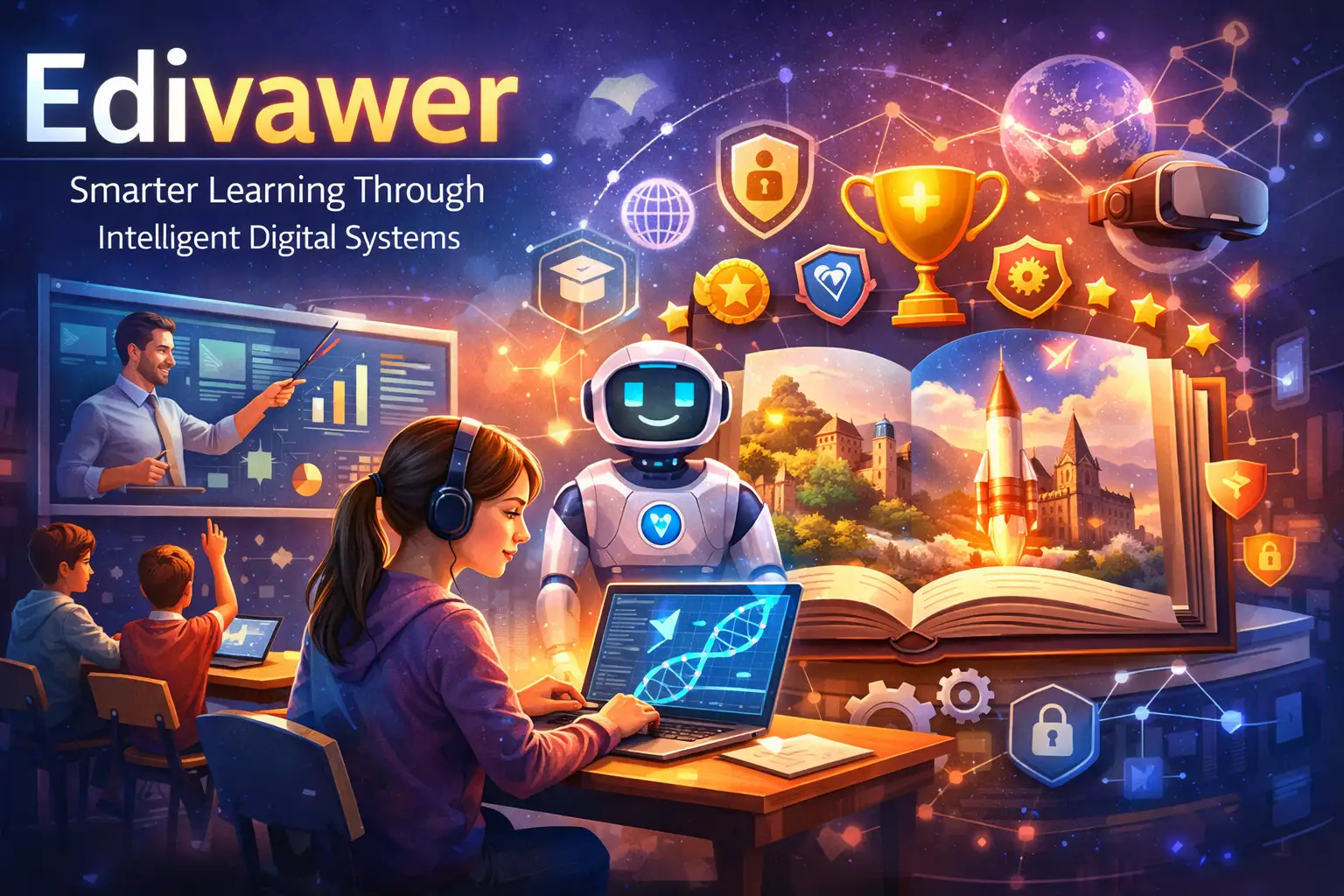
The education landscape is changing faster than ever before. Traditional teaching models are no longer sufficient for learners who expect flexibility, personalization, and meaningful engagement. This shift has paved the way for intelligent digital platforms, and Edivawer stands out as one of the most forward-thinking solutions in modern education.
Edivawer is designed to meet the needs of students, educators, institutions, and organizations by delivering personalized, data-driven learning experiences. Instead of forcing every learner into the same structure, the platform adapts to individual progress, preferences, and performance. The result is smarter learning, better outcomes, and more efficient teaching.
This comprehensive guide explores how Edivawer works, why it matters, and how it is shaping the future of education and skill development.
Introduction to Edivawer and Its Core Vision
At its core, Edivawer is a personalized digital learning ecosystem built to enhance how people learn and teach. Its vision is simple yet powerful: learning should adapt to the learner, not the other way around.
Edivawer focuses on:
- Individual learning paths
- Real-time performance analysis
- Intelligent automation for educators
- Inclusive and accessible education
Rather than acting as a static learning management system, Edivawer continuously evolves based on user behavior. This adaptive approach allows learners to move at their own pace while receiving targeted support exactly when they need it.
Evolution of Digital Learning and Why Edivawer Matters Today
Digital education has moved far beyond recorded lectures and basic online courses. Learners today expect interaction, personalization, and instant feedback.
Why traditional systems fall short:
- One-size-fits-all content delivery
- Limited insights into learner progress
- Minimal engagement and motivation
- High administrative burden for educators
Edivawer addresses these challenges by combining artificial intelligence, machine learning, and analytics into one unified platform. It supports remote, hybrid, and in-person learning models, making it highly relevant in today’s global and digital-first education environment.
How the Edivawer Platform Functions Behind the Scenes
Edivawer operates through an intelligent framework that collects, analyzes, and responds to learning data in real time.
Core functional process:
- Data Collection – Tracks learner interactions, assessments, and engagement
- Behavior Analysis – Identifies strengths, gaps, and learning patterns
- Content Adaptation – Adjusts lessons, pacing, and difficulty automatically
- Feedback Loop – Continuously refines learning paths based on results
This automated yet flexible system ensures that learners receive the right content at the right time, while educators gain clear insights without manual effort.
Key Tools and Capabilities Offered by Edivawer
Edivawer provides a rich set of features that support both learning and teaching efficiency.
🔹 Feature Overview Table
| Feature | Description | Benefit |
|---|---|---|
| Adaptive Learning Paths | Content adjusts based on performance | Personalized education |
| AI Analytics Dashboard | Real-time learner insights | Better decision-making |
| Interactive Assessments | Dynamic quizzes with instant feedback | Improved retention |
| Collaboration Tools | Peer discussions and group learning | Strong engagement |
| Automation Tools | Grading and reporting automation | Time savings for educators |
Each tool is designed to work together, creating a seamless and intelligent learning experience.
Personalized Learning Paths for Different User Types
One of Edivawer’s greatest strengths is its ability to serve different users with unique needs.
🎓 Students
- Customized lessons based on progress
- Visual and interactive learning formats
- Confidence-based pacing
👩🏫 Educators
- Class-level and individual performance tracking
- Smart content recommendations
- Reduced administrative workload
🏢 Organizations
- Employee training programs
- Skill development and onboarding
- Performance analytics for workforce growth
This flexibility makes Edivawer suitable across education, corporate training, and professional development sectors.
Improving Teaching Productivity with Edivawer
Educators often spend more time managing tasks than teaching. Edivawer helps reverse this imbalance.
How Edivawer boosts educator efficiency:
- Automated grading and reporting
- Visual performance dashboards
- Early identification of struggling learners
- Data-driven lesson planning
By reducing repetitive tasks, educators can focus on mentoring, creativity, and meaningful student interaction—key factors in effective education.
Engagement, Motivation, and Interactive Learning Methods
Engagement is critical for learning success. Edivawer integrates gamification and interactive elements to keep learners motivated.
Engagement features include:
- Progress tracking visuals
- Achievement badges
- Interactive challenges
- Milestone-based rewards
These elements transform learning from a passive experience into an active journey, increasing completion rates and learner satisfaction.
Accessibility, Inclusivity, and Learning Without Barriers
Edivawer is built with accessibility at its foundation, ensuring that education remains inclusive for all users.
Accessibility features:
- Screen reader compatibility
- Keyboard-only navigation
- Customizable fonts and color contrast
- Multilingual interface support
This commitment to inclusion allows learners of all abilities, backgrounds, and locations to participate equally in digital education.
Data Security, Ethical AI, and User Privacy Considerations
Trust is essential in digital learning platforms. Edivawer prioritizes data protection and ethical technology use.
Security and ethics measures:
- End-to-end data encryption
- Consent-based data usage
- Transparent AI decision logic
- Bias-aware content recommendations
These practices ensure compliance with global privacy standards while maintaining user confidence.
Future Scope of Edivawer in Education and Skill Development
Edivawer continues to evolve by integrating emerging technologies that enhance learning depth and realism.
Future innovations include:
- Virtual Reality (VR) for immersive simulations
- Augmented Reality (AR) for interactive textbooks
- Natural Language Processing (NLP) for AI tutoring
- Predictive analytics for long-term skill planning
These advancements position Edivawer as a future-ready platform aligned with global education trends.
Conclusion: Embracing Edivawer as the Future of Learning
Edivawer represents more than just a digital platform—it embodies a new philosophy of education. By combining personalization, intelligent automation, accessibility, and ethical AI, it sets a new standard for how learning should be delivered in the modern world.
For students, Edivawer offers confidence, clarity, and customized growth. For educators, it delivers efficiency, insight, and impact. For organizations, it provides scalable and measurable learning solutions.
As the demand for personalized and flexible education continues to grow, Edivawer stands as a powerful solution shaping the future of learning—one learner at a time.
FAQ
What is Edivawer used for?
Edivawer is used for personalized digital learning, helping students and educators create adaptive, data-driven educational experiences.
Is Edivawer suitable for both students and teachers?
Yes, Edivawer is designed for students, educators, institutions, and even corporate training environments.
How does Edivawer personalize learning?
Edivawer uses artificial intelligence and real-time analytics to adjust learning content based on user performance, pace, and preferences.
Does Edivawer support online and remote learning?
Absolutely. Edivawer is ideal for online, remote, and hybrid learning models with cloud-based accessibility.
What makes Edivawer different from traditional LMS platforms?
Unlike traditional LMS systems, Edivawer adapts dynamically, offers intelligent insights, and focuses on individual learning journeys.
Is Edivawer accessible for users with disabilities?
Yes, Edivawer includes accessibility features such as text-to-speech, keyboard navigation, and customizable interfaces.
Is user data safe on Edivawer?
Edivawer follows strict data privacy standards, including encryption, consent-based data usage, and ethical AI practices.
Can Edivawer be used for corporate training?
Yes, many organizations use Edivawer for employee onboarding, skill development, and continuous learning programs.


Trucofax: The All-in-One Document Management Platform for the Modern Business
The modern business runs on documents — contracts, invoices, reports, proposals, approvals — and the organizations that manage those documents...


Pappedeckel: The Complete Guide to Germany’s Beloved Cardboard Lid and Traditional Cake
Few words in the German language carry as much quiet cultural weight as Pappedeckel. Literally translating to “cardboard lid” —...


Solo ET: The Intelligent Productivity Platform Built for Individual Excellence
In an era defined by constant connectivity, collectivism pressure, and the relentless noise of group dynamics, a quiet but powerful...

Best API Search Company’s Homepage – API Discovery Platform for Developers
The best API search company’s homepage, you’re likely looking for more than just a search bar. You want a powerful...


Mannacote: The Ultimate Guide to Italian-America’s Most Beloved Stuffed Pasta
There is a particular kind of comfort that only a baked stuffed pasta pulled straight from the oven can deliver...


Theodora Holmes: Troy Polamalu’s Wife, Family, Faith & Philanthropic Legacy
Theodora Holmes is an American homemaker, philanthropist, and the wife of NFL Hall of Famer Troy Polamalu — a woman...


Nicole Young: Selling Sunset Star, Beverly Hills Real Estate Agent & Biography
Nicole Young is a Beverly Hills luxury real estate agent and Netflix reality television personality best known as a cast...


Glena Goranson: Pete Carroll’s Wife, Family Life, A Better Seattle Foundation & Biography
Glena Goranson is the quietly remarkable woman who has stood beside one of the NFL’s most celebrated head coaches for...


Leslie Knipfing: Kevin James’ Sister, Retinitis Pigmentosa Advocate & JVK Foundation Work
Leslie Knipfing is the lesser-known but deeply inspiring sister of beloved American comedian and actor Kevin James, born Kevin George...


Najee Laurent Todd Eugene Smith: LL Cool J’s Son, Net Worth, Life & Biography
Najee Laurent Todd Eugene Smith is the eldest son of legendary rapper, actor, and entrepreneur LL Cool J — born...
-

 Lifestyle2 months ago
Milyom Explained: Meaning, Culture & Impact on Modern Life
-

 Social Media2 months ago
GlarklyHub: Secure Social Networking & Digital Platform
-

 Entertainment1 month ago
Animeidhen: The Next-Generation Anime Hub Redefining Digital Animation
-

 Lifestyle1 month ago
Unveiling Monika Leveski: Creativity, Vision, and Influence in the Modern Art World
-

 Latest News1 month ago
2026 Volkswagen Karmann Ghia Full Review: Classic Beauty, Modern EV
-

 Education1 month ago
abcdefghijklmnopqrstuvwxyz – Meaning, Uses, Examples & Complete Guide
-
 Education1 month ago
Edivawer: AI-Powered Personalized Learning Platform
-

 Business1 month ago
Sinkom Smart Integration Solutions for Homes & Businesses